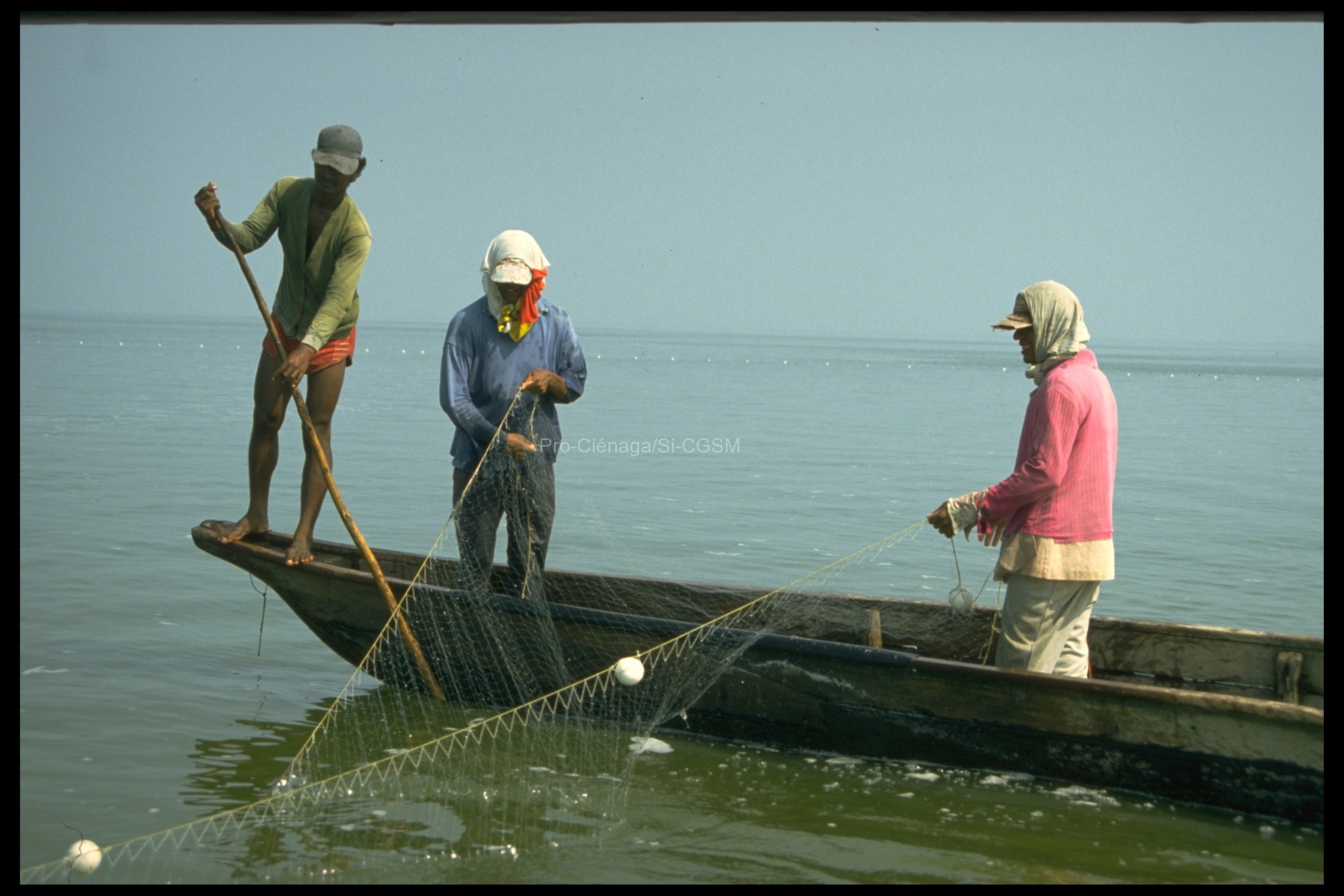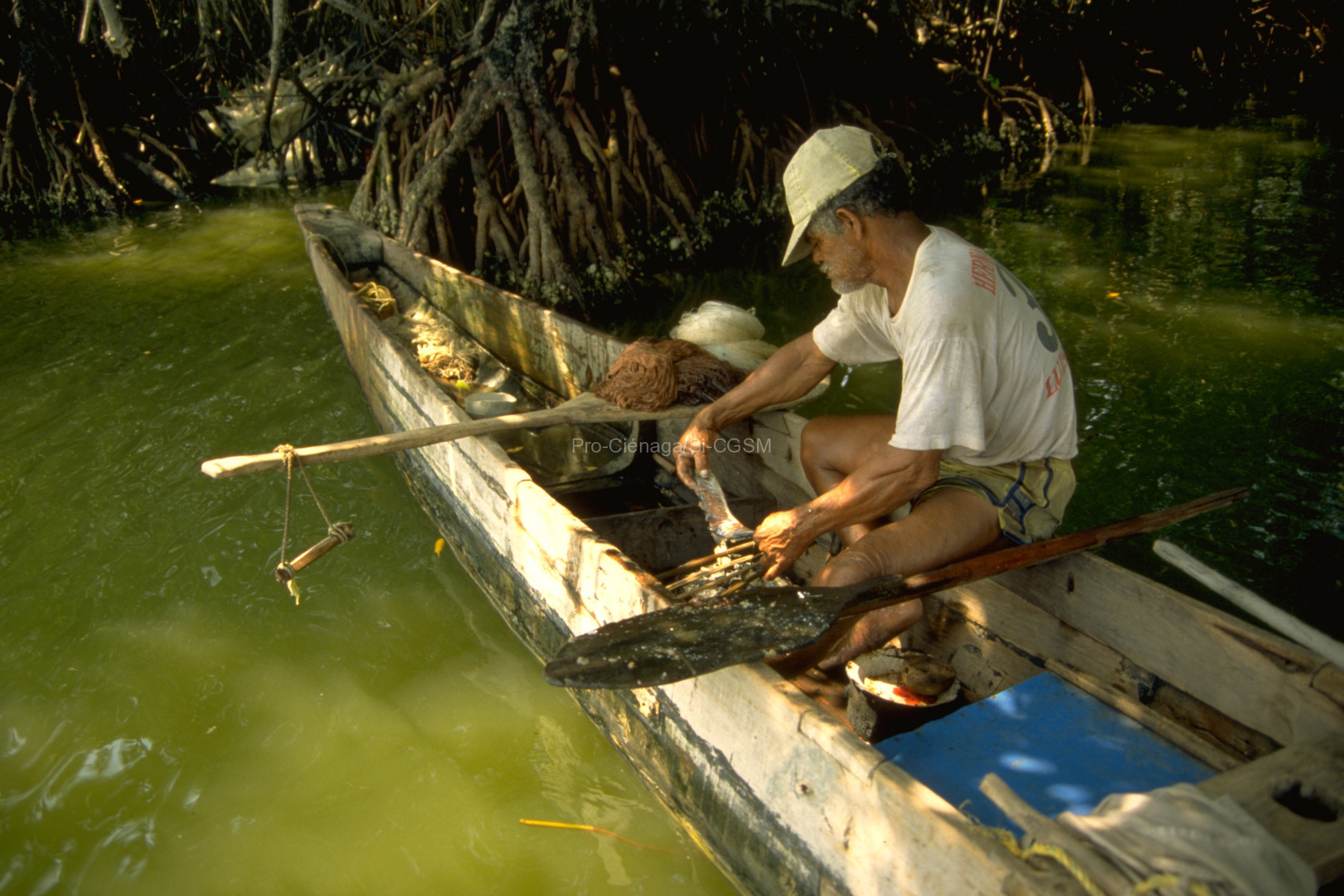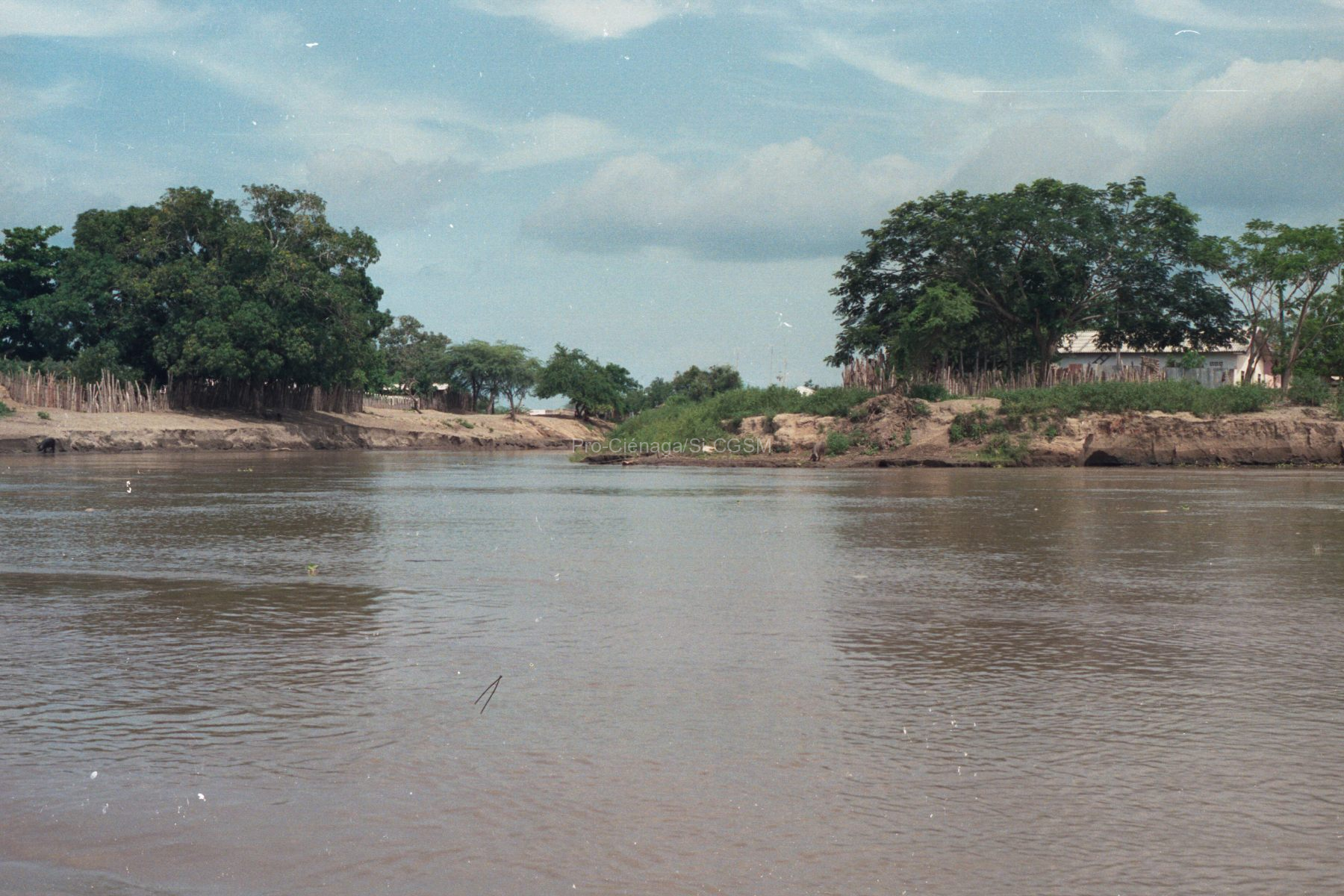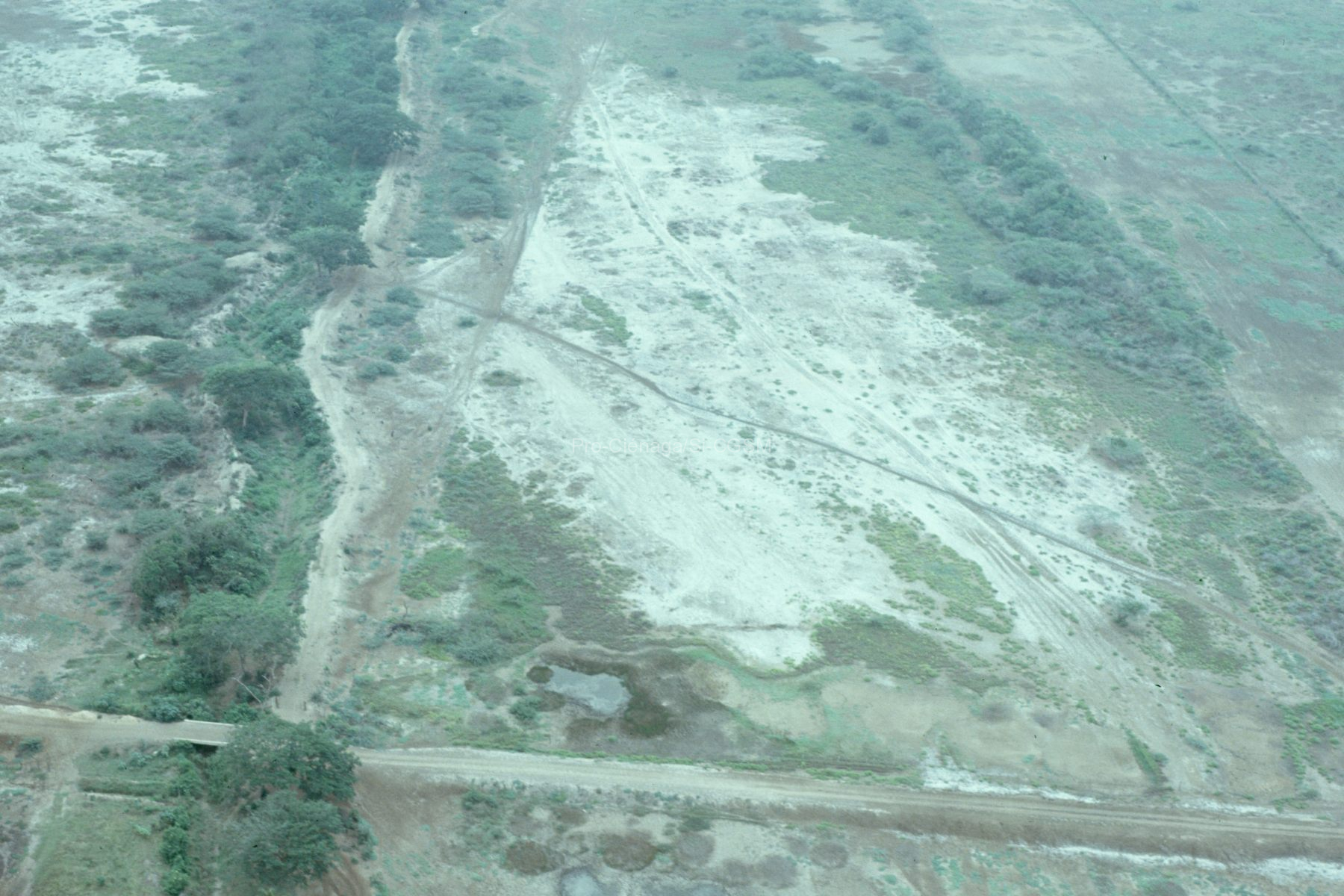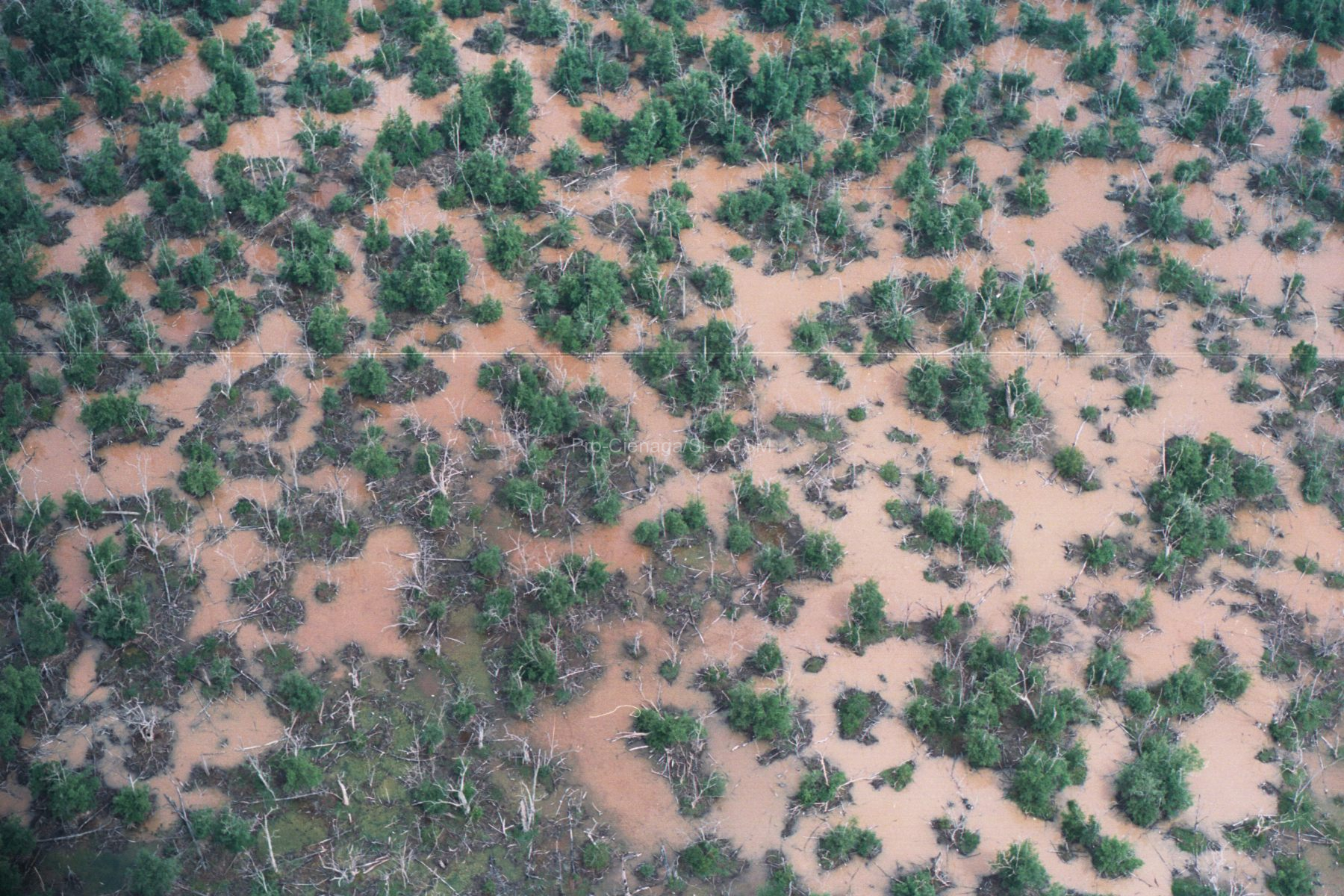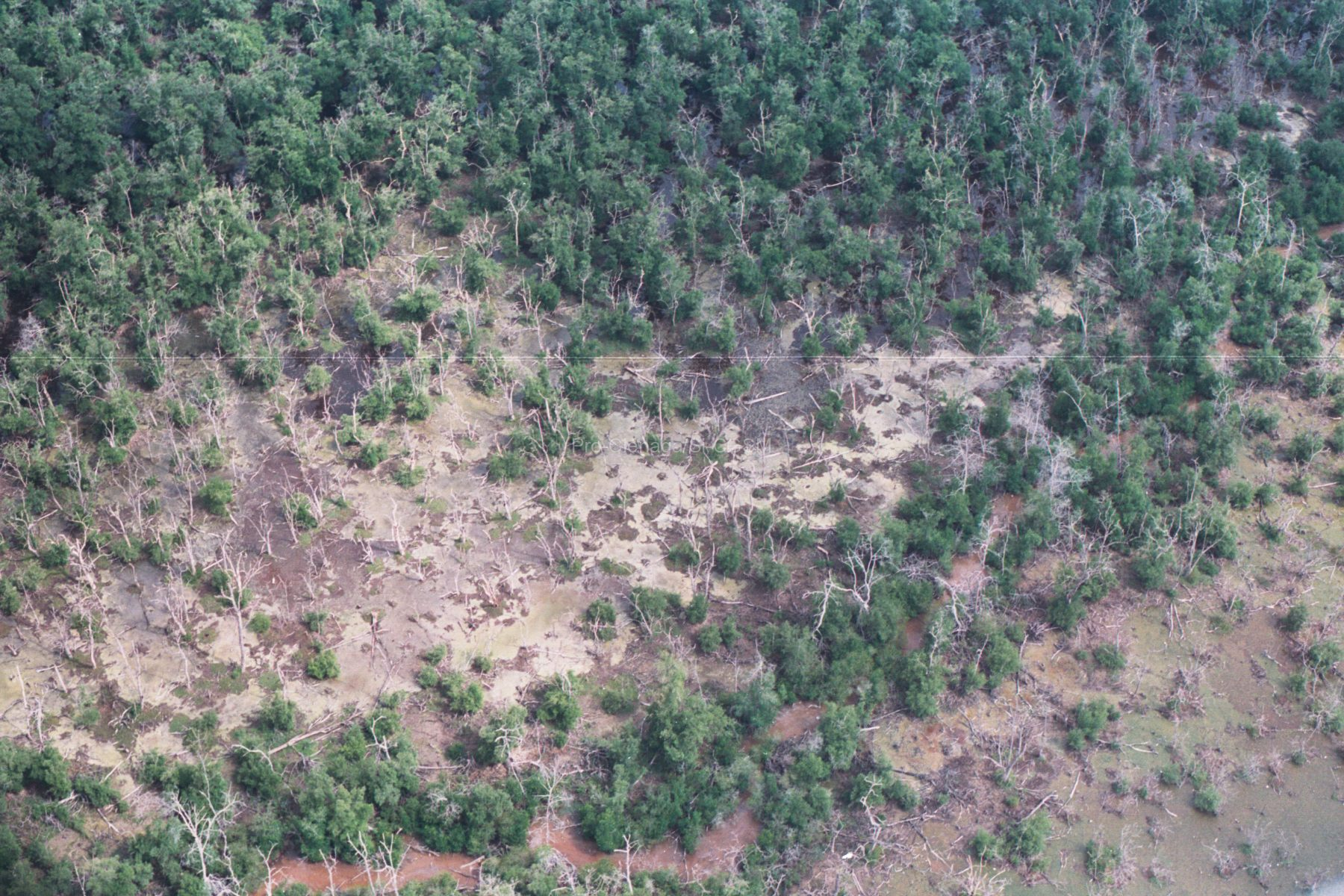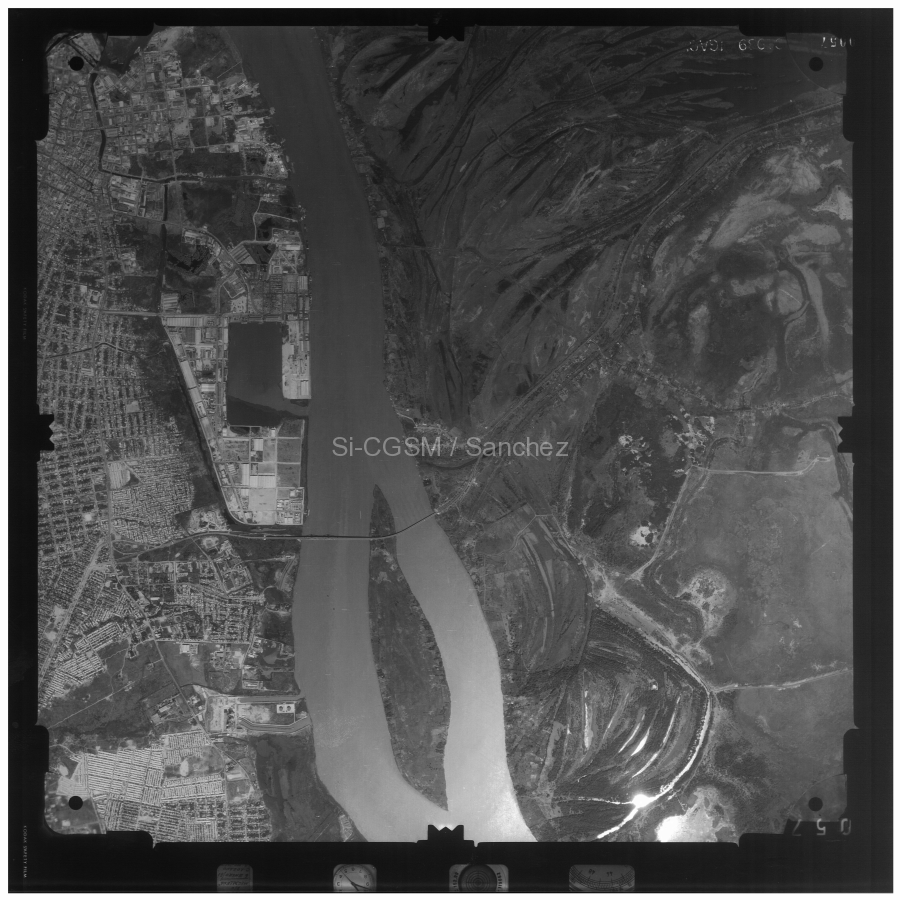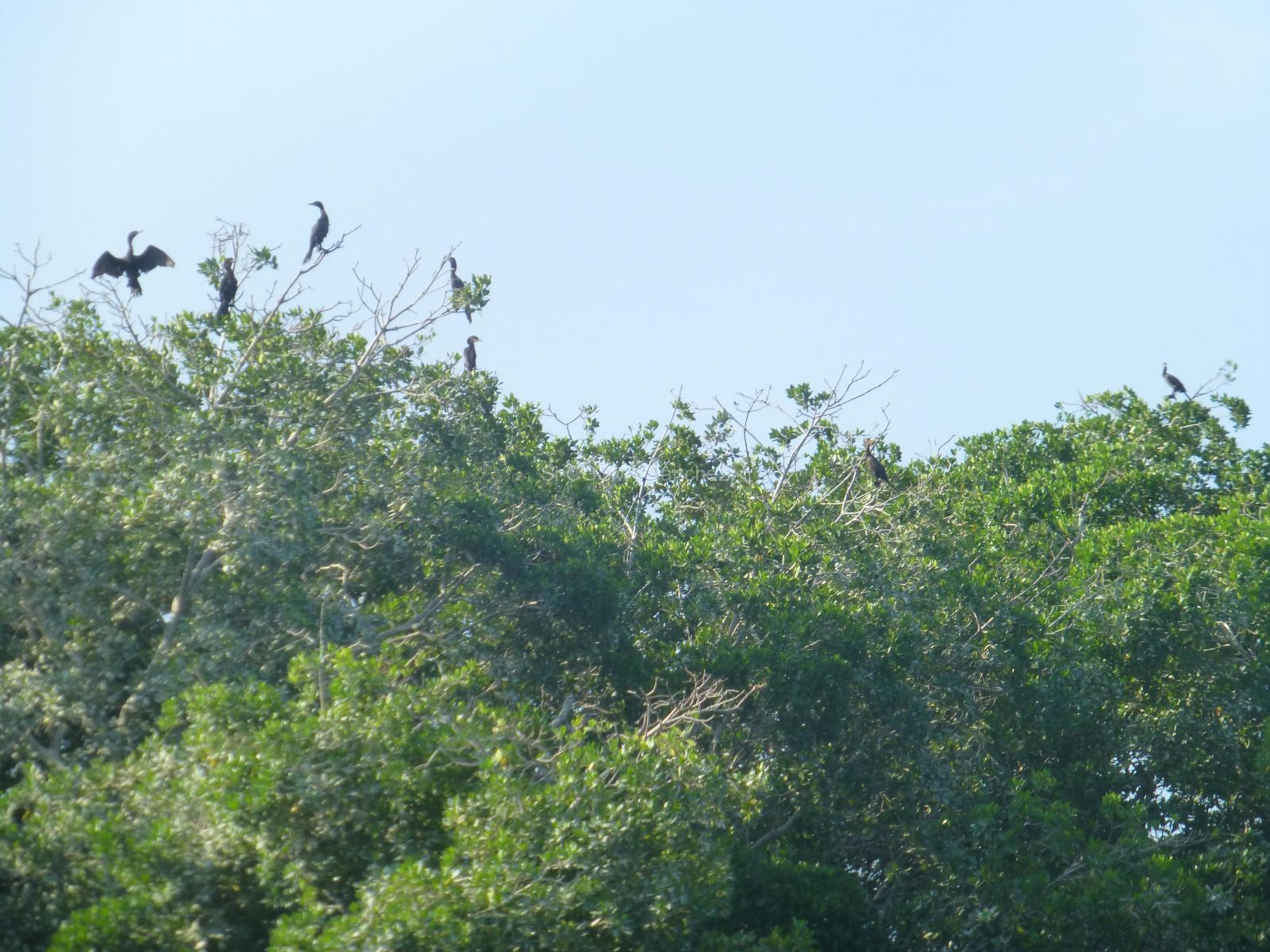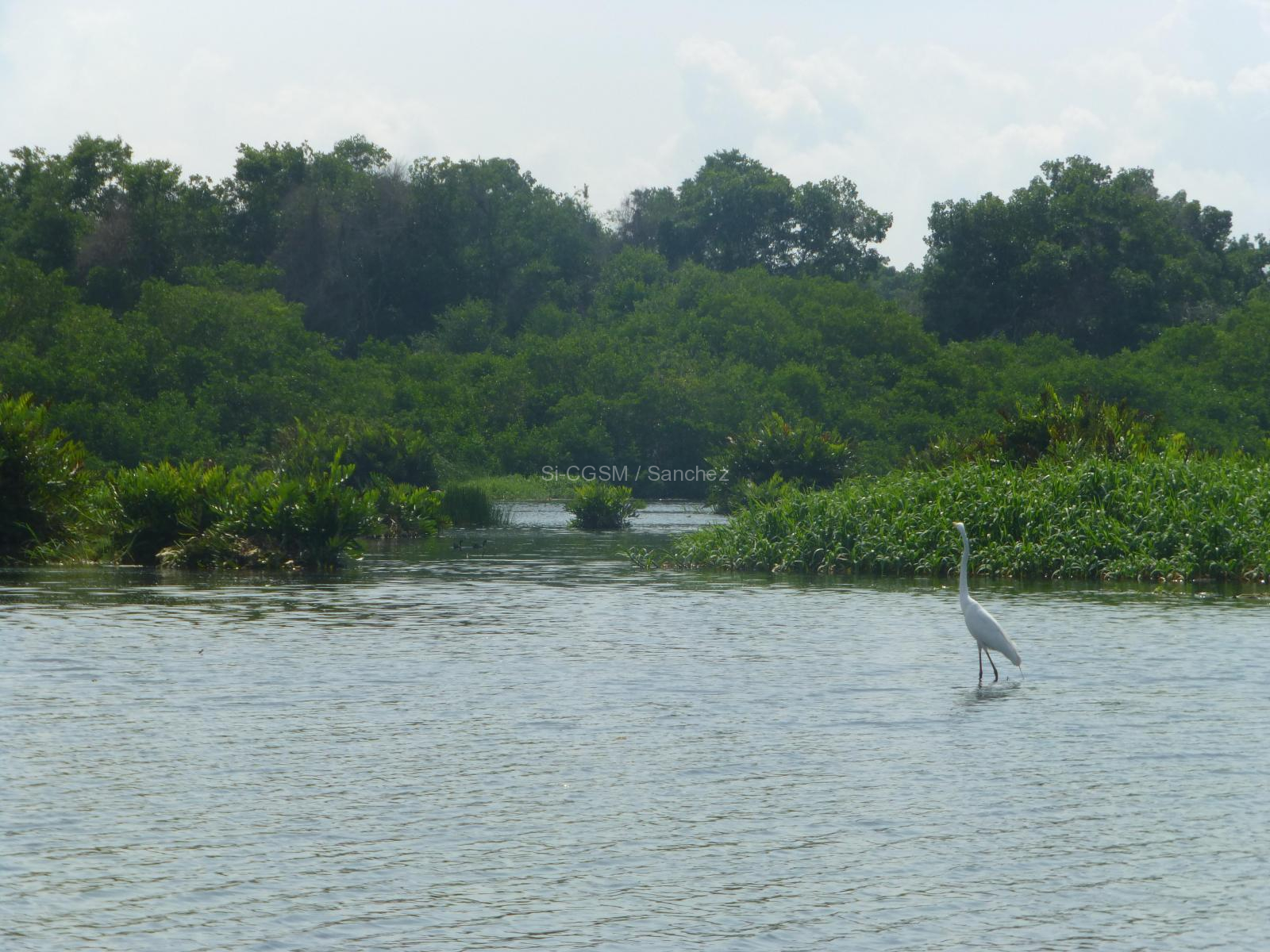
DCA Esto informo relaciona las especies de aves registradas hasta el presente, en el Parque Nacional, Isla de Salamanca. El material que documenta este trabajo, se...
Seguir leyendo...
18/mayo/2024
por admin
Actitis macularius Amazona ochrocephala Anarhynchus collaris Anarhynchus wilsonia Anas bahamensis Anhinga anhinga Ardea alba Ardea cocoi Ardea ibis Arenaria interpres Arundinicola leucocephala Asio clamator Brotogeris jugularis Bubo virginianus Busarellus nigricollis Buteogallus meridionalis Butorides striata Cairina moschata Calidris mauri Camptostoma obsoletum Campylorhynchus griseus Campylorhynchus nuchalis Cathartes aura Cathartes burrovianus Certhiaxis cinnamomeus Chauna chavaria Chlidonias niger Chloroceryle aenea Chloroceryle amazona Chloroceryle americana Chordeiles nacunda Chrysolampis mosquitus Chrysomus icterocephalus Chrysuronia lilliae Coccycua pumila Coccyzus americanus Cochlearius cochlearius Coereba flaveola Colaptes punctigula Colinus cristatus Columbina passerina Columbina passerina albivitta Columbina talpacoti Coragyps atratus Crotophaga ani Crotophaga major Crotophaga sulcirostris DCA Dendrocygna autumnalis Dendrocygna viduata Dendroplex picus Dryocopus lineatus Egretta caerulea Egretta thula Egretta tricolor Elaenia flavogaster Elanus leucurus Eupsittula pertinax Falco peregrinus cassini Falco sparverius Fluvicola pica Forpus spengeli Fregata magnificens Fulica americana Galbula ruficauda Gampsonyx swainsonii Geranospiza caerulescens Haematopus palliatus Herpetotheres cachinnans Himantopus mexicanus Hydropsalis cayennensis Hypnelus ruficollis Icterus nigrogularis Informe Jacana jacana hypomelaena Leistes militaris Leptotila verreauxi Limnodromus griseus Lista de especies Machetornis rixosa Mareca americana Megaceryle torquata Melanerpes rubricapillus Milvago chimachima Mimus gilvus Molothrus aeneus Molothrus bonariensis Mycteria americana Myiozetetes similis Nannopterum brasilianum Nycticorax nycticorax Nyctidromus albicollis Ortalis garrula Pandion haliaetus Patagioenas cayennensis Pelecanus occidentalis Philohydor lictor Phimosus infuscatus Phoenicopterus ruber Piaya cayana Picumnus cinnamomeus Pitangus sulphuratus Platalea ajaja Plegadis falcinellus Podilymbus podiceps Porphyrio martinica Progne chalybea Quiscalus mexicanus Rostrhamus sociabilis Rupornis magnirostris Rynchops niger Sakesphorus canadensis Saltator coerulescens Sarcoramphus papa Sicalis flaveola Spatula discors Sporophila minuta Sublegatus arenarum Synallaxis albescens Tachycineta albiventer Tapera naevia Thalasseus maximus Thraupis episcopus Tigrisoma lineatum Tigrisoma mexicanum Todirostrum cinereum Tringa melanoleuca Tringa semipalmata Troglodytes musculus Tyrannus dominicensis Tyrannus melancholicus Tyrannus savana Tyrannus tyrannus Tyto furcata Vanellus chilensis Vía Parque Isla de Salamanca / Isla de Salamanca Volatinia jacarina