https://doi.org/10.1016/S0025-326X(99)00137-X We used an ecological model to simulate the trajectories of mangrove attributes according to different restoration criteria at geographically specific conditions and at decadal time...
Seguir leyendo...Artículo de revista académica
Tuchkovenko, Y. S., & Calero, L. A. (2003). Modelo matemático del ecosistema de la Ciénaga Grande de Santa Marta. Boletín de Investigaciones Marinas y Costeras-INVEMAR, 32(1), 145-167.
DCA Se describe detalladamente la estructura y calibración del bloque químico-biológico de un modelo matemático bidimensional, de un ecosistema de aguas someras. Este modelo incluye las...
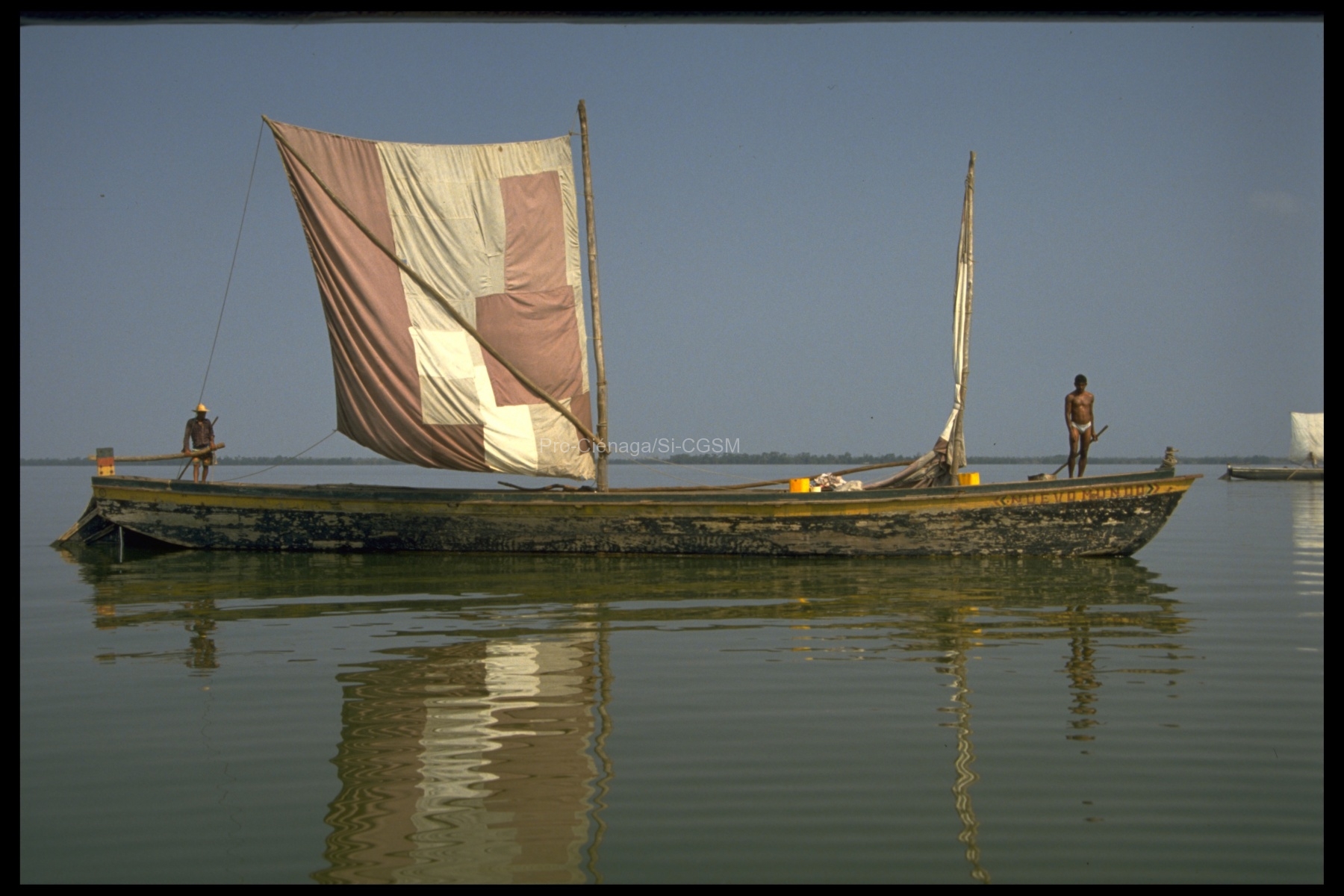
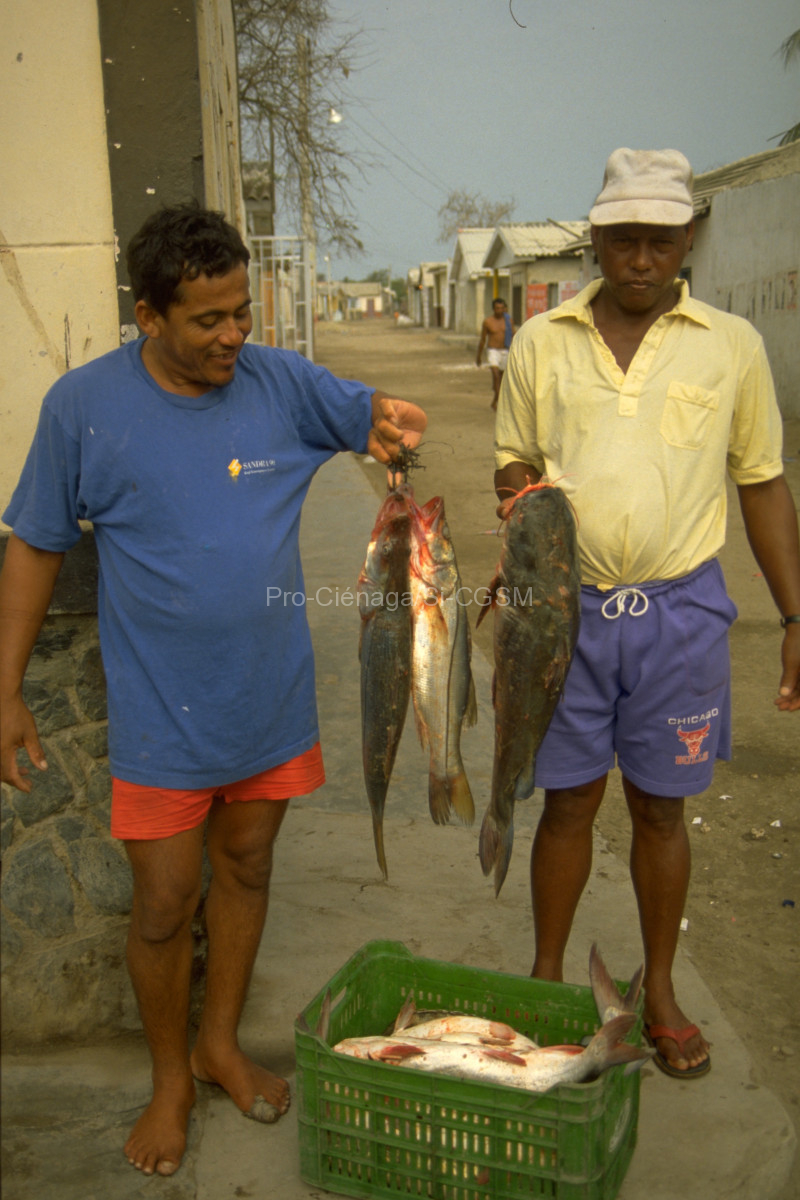
Seguir leyendo...Torres-Guevara, L. E., & Schlüter, A. (2016). External validity of artefactual field experiments: A study on cooperation, impatience and sustainability in an artisanal fishery in Colombia. Ecological Economics, 128, 187-201.
https://doi.org/doi:10.1016/j.ecolecon.2016.04.022 This paper contributes to the experimental analysis of sustainable behavior in artisanal fisheries and the external validity of economic experiments. We run a standard one-shot...
Seguir leyendo...Torres-Guevara, L. E., Lopez, M. C., & Schlüter, A. (2016). Understanding Artisanal Fishers’ Behaviors: The Case of Ciénaga Grande de Santa Marta, Colombia. Sustainability, 8(6), 1-17.
https://doi.org/10.3390/su8060549 We investigate the ecological impact caused by fishing grounds and the fishing gear/methods used by fishers in Ciénaga Grande de Santa Marta (CGSM), an estuarine...
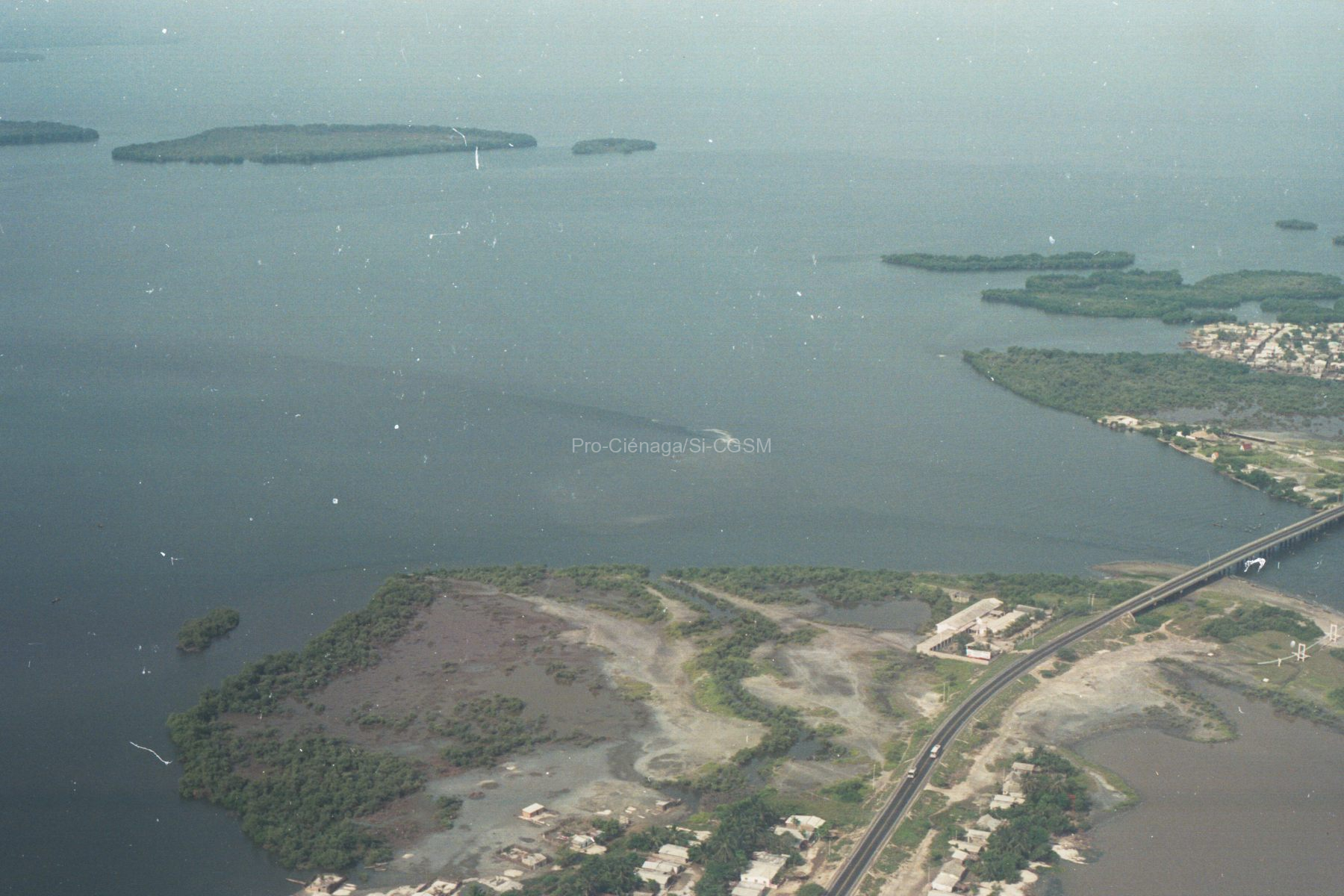
Seguir leyendo...Simard, M., Rivera-Monroy, V. H., Mancera-Pineda, J. E., Castañeda-Moya, E., & Twilley, R. R. (2008). A systematic method for 3D mapping of mangrove forests based on Shuttle Radar Topography Mission elevation data, ICEsat/GLAS waveforms and field data: Application to Ciénaga Grande de Santa Marta, Colombia. Remote Sens. Environ., 112, 2131-2144.
DCA Mangrove forests are found within the intertropical zone and are one of the most biodiverse and productive wetlands on Earth. We focus on the Ciénaga...
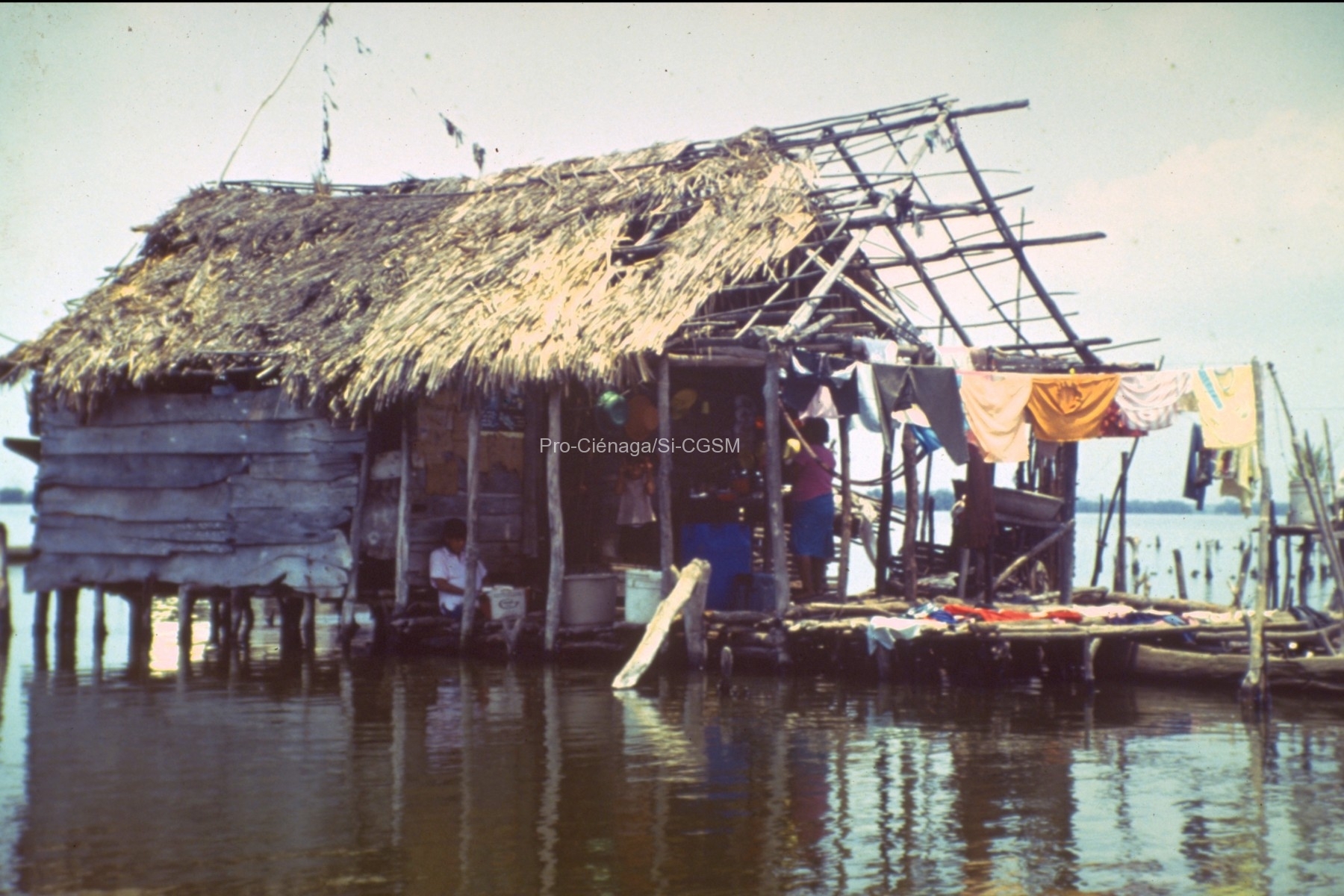
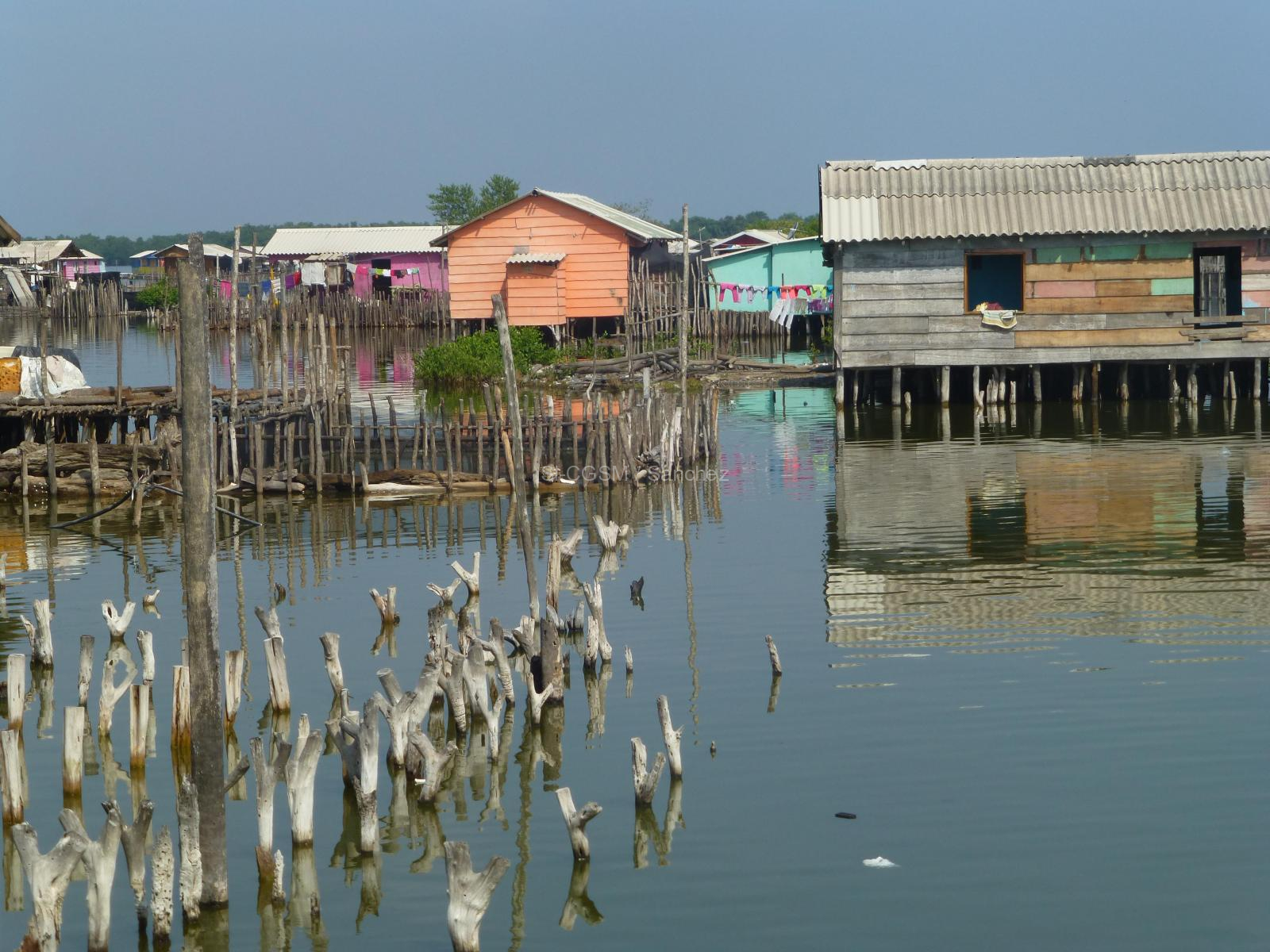
Seguir leyendo...Sarmiento Erazo, J. P. (2015). Territorio sin Estado. El caso de los pueblos palafíticos en la Ciénaga Grande de Santa Marta. Revista de Derecho, 43, 110-157.
DCA Este estudio argumenta que en Colombia, donde el Estado no tiene presencia, las comunidades crean y recrean formas paraestatales de gobierno que les permiten organizarse...
Seguir leyendo...Sánchez Páez, H. (1988). Hacia la salvación del Parque Nacional Natural Isla de Salamanca. Trianea. Act. Cient. Tecn. INDERENA, 2, 505-527.
El Parque Nacional Isla de Salamanca declarado en 1964 con 21.000 ha., hace parte del sistema deltaico – estuarino del río Magdalena y se localiza en...
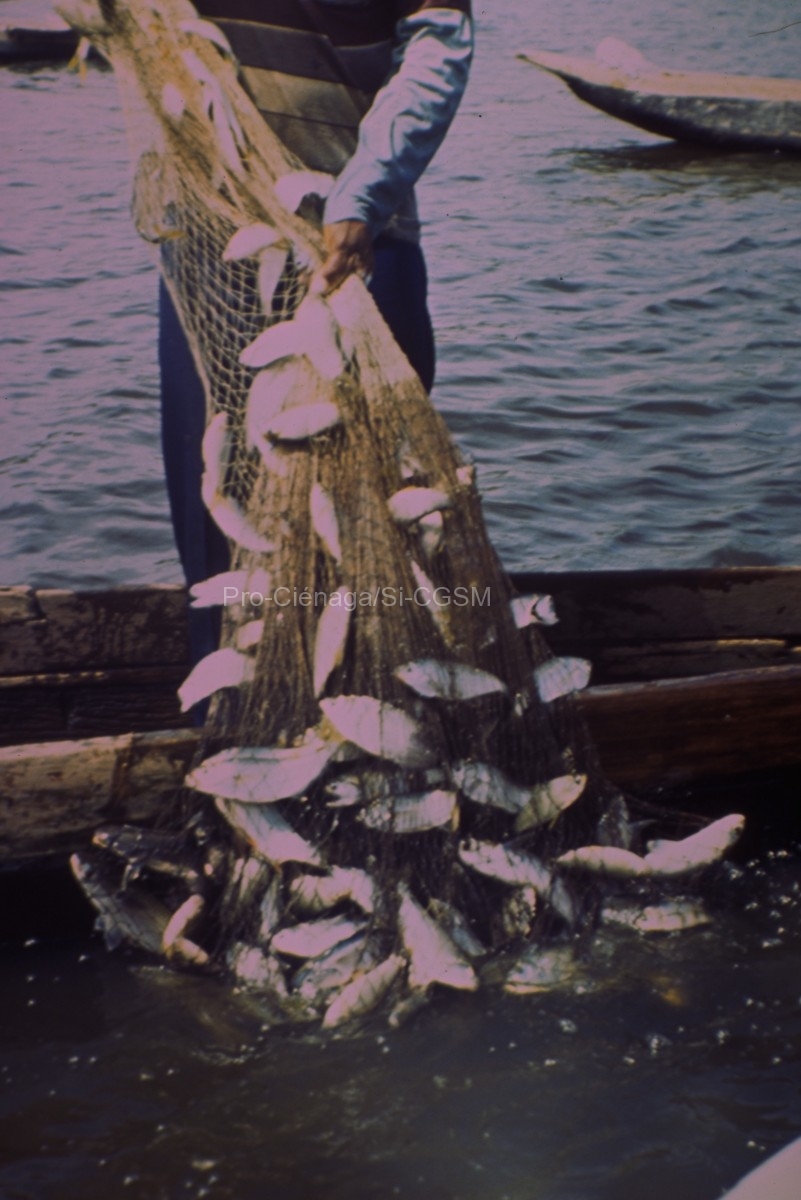
Seguir leyendo...Rueda, M., & Defeo, O. (2003b). Linking fishery management and conservation in a tropical estuarine lagoon: Biological and physical effects of an artisanal fishing gear. Estuarine, Coastal and Shelf Science, 56, 935-942.
DCA Information coming from fishery monitoring, surveys and experimental fishing with participation of fishers was employed to determine the impact of an artisanal gear, boliche, on...
Seguir leyendo...Rueda, M., & Defeo, O. (2003a). A bioeconomic multispecies analysis of an estuarine small-scale fishery: Spatial structure of biovalue. ICES Journal of Marine Science, 60(4), 721-732.
https://doi.org/10.1016/S1054-3139(03)00096-1 We estimated the spatial population structure by size and the economical potential (biovalue) of a multispecies fish resource in an estuarine lagoon in Colombia, based...
Seguir leyendo...Rueda, M. (2007). Evaluating the selective performance of the encircling gillnet used in tropical estuarine fisheries from Colombia. Fisheries Research, 87(1), 28-34.
https://doi.org/10.1016/j.fishres.2007.06.014 Experimental estimates of gear selectivity by age used for estimating stock size and measuring fishing impact have been scarcely documented in small-scale fisheries from Latin-America...
Seguir leyendo...