https://onlinelibrary.wiley.com/doi/abs/10.1002/iroh.3510680606 Primary production and decomposition of organic substances were investigated in a tropical lagoon during the rainy season. Production and mineralization were measured using the oxygen...
Seguir leyendo...2 Biótica
Hladki, I., Ramírez Pinilla, A., Renjifo, J., Urbina, N., Oubotar, P., Hoogmoed, M. S., Schargel, W., Rivas, G., & Murphy, J. (2019). Amphisbaena fuliginosa. The IUCN Red List of Threatened Species, e.T203010A2758555, 10.
https://www.iucnredlist.org/species/203010/2758555 Range Description: This species has an extensive range that includes Panama, Trinidad, and lowland areas in northern and central South America southward to Peru, northern...
Seguir leyendo...Hildebrand, P. von. (1977). Investigación fauna Ciénaga Grande de Santa Marta, Proyecto Ecodesarrollo: Macizo y CGSM, pp. 14-38. Inderena.
Se presentan 6 informes donde se describen las actividades de fauna y flora silvestre desarrollados en la Ciénaga Grande de Santa Marta en los meses de...
Seguir leyendo...Heyer, W. R., Heyer, M. M., & de Sá, R. O. (2010). Leptodactylus savagei Heyer. Catalogue of American Amphibians and Reptiles, 867, 867.1-867.19.
DCA DISTRIBUTION: Leptodactylus savagei occurs in mesic areas of Honduras, Nicaragua, Costa Rica, Panama and scattered localities in the Caribbean versant of Colombia, from sea level...
Seguir leyendo...Heyer, W. R., & Heyer, M. M. (2013). Systematics, distribution, and bibliography of the frog Leptodactylus insularum Barbour, 1906 (Amphibia: Leptodactylidae). Proceedings of the Biological Society of Washington, 126(3), 204-233.
https://doi.org/10.2988/0006-324X-126.3.204 The Leptodactylus bolivianus complex has recently been assessed and determined to be comprised of three species – L. bolivianus, L. guianensis, and L. insularum (Heyer...
Seguir leyendo...Hernández-Palma, T. L., Rueda-Solano, L. A., & Rojas, B. (2020). Pleurodema brachyops (Cope, 1869) Rana de cuatro ojos colombiana. Catálogo de Anfibios y Reptiles de Colombia, 6(1), 27-35.
DCA Distribución geográfica: Pleurodema brachyops se encuentra distribuida entre los 0-500 m s. n. m. en países como Brasil, Colombia, Guyana, Panamá y Venezuela. En este...
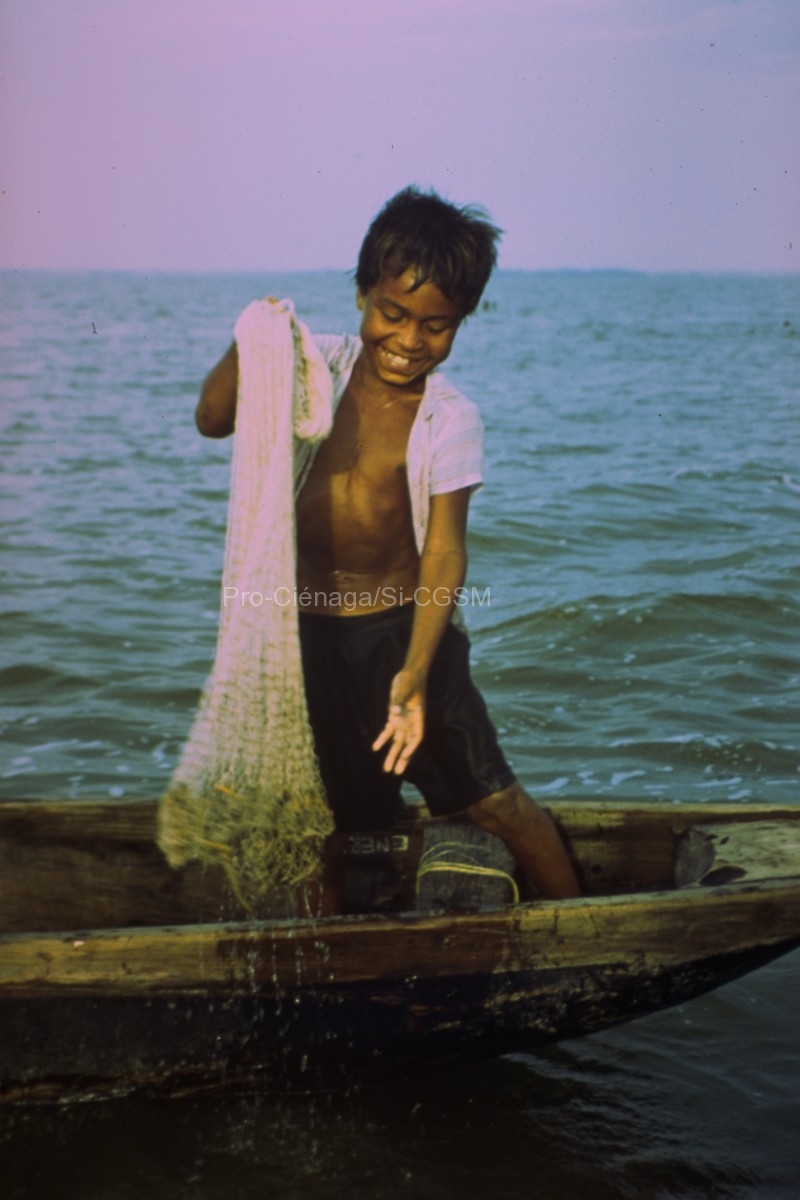
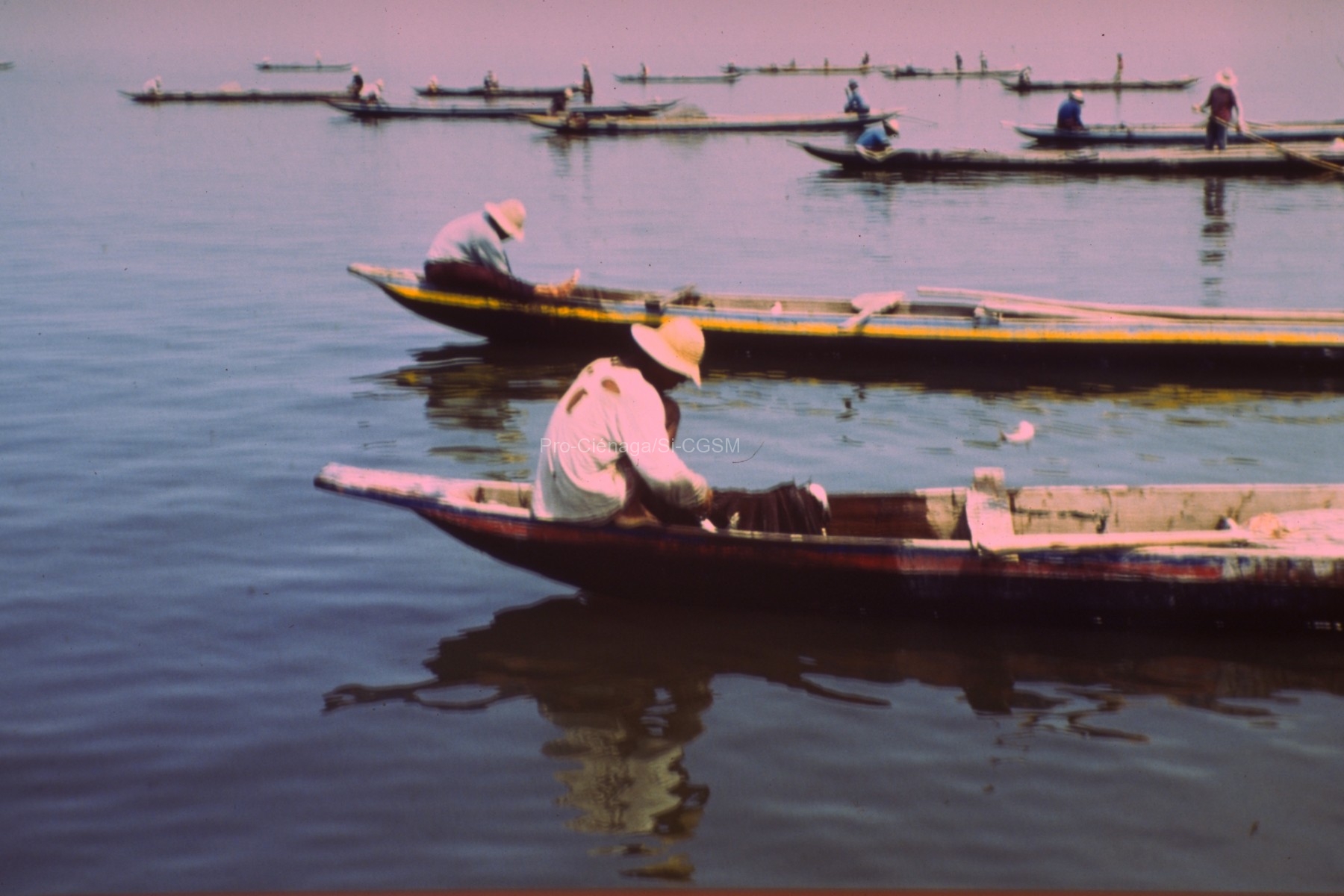
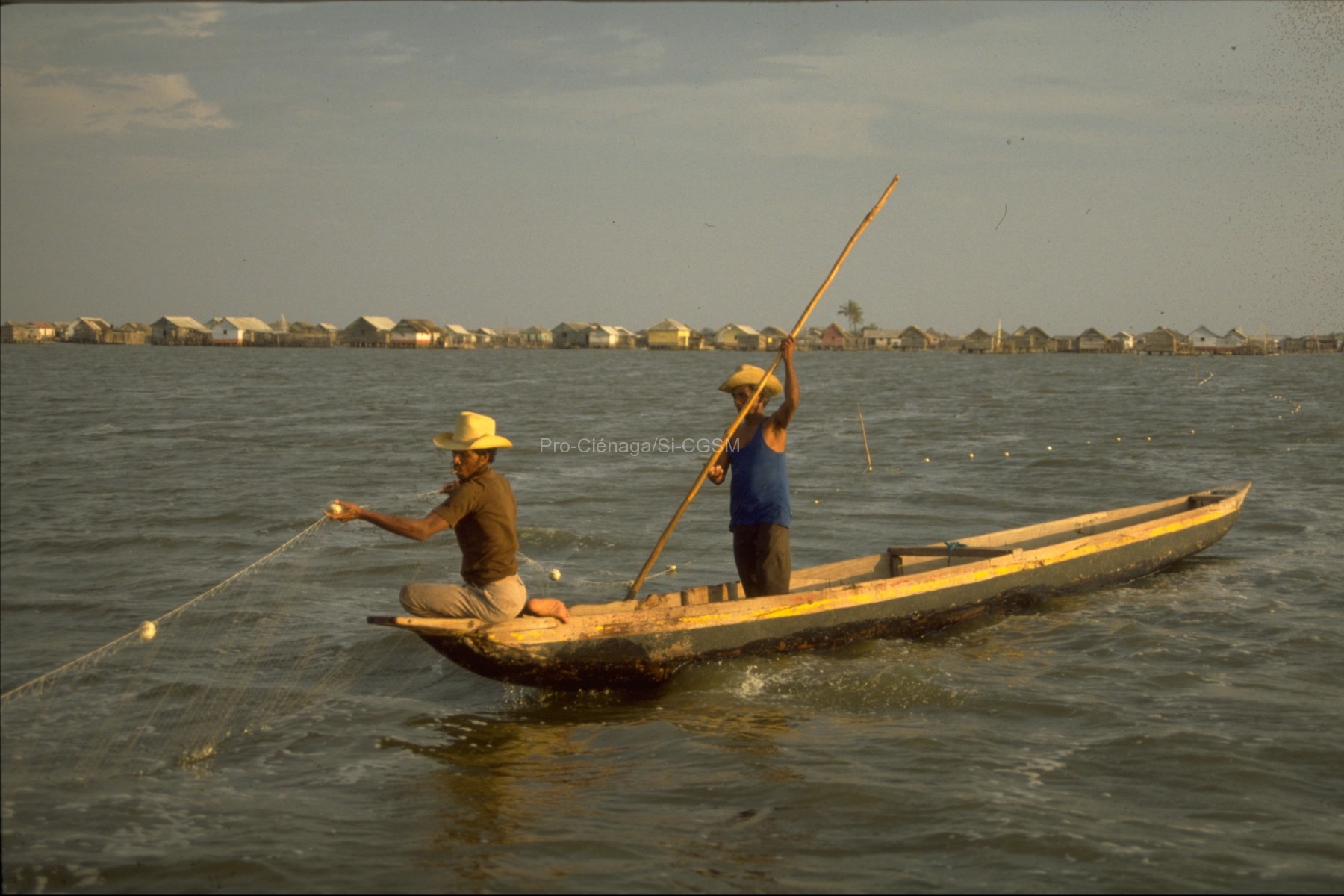
Seguir leyendo...Hernandez Toncél, R. de J., & Moreno Sierra, J. I. (2000). Evaluación económica de las unidades de pesca con atarrayas de Nueva Venecia, complejo de Pajarales, Caribe Colombiano. Tesis, Fac. Ingeniería, Universidad del Magdalena, 139 p.
DCA Dentro del proyecto de recuperación de la Ciénaga Grande de Santa Marta PRO – CIÉNAGA, que ejecuta CORPAMAG, se planteó el monitoreo de los aspectos...
Seguir leyendo...Hernández Jiménez, C. A., & Márquez Calle, G. E. (1991). Producción primaria en el ecosistema Ciénaga Grande de Santa Marta, laguna costera del Caribe colombiano. Trianea (Act. Cient. Tecn. INDERENA), 4, 385-407.
La Ciénaga Grande de Santa Marta (CGSM) es una laguna costera eutrófica debido a subsidios de energía, materia y en especial de fósforo cuyo origen es...
Seguir leyendo...Hernández Jiménez, C. A. (1988). Producción primaria del fitoplancton en la Ciénaga Grande de Santa Marta, Colombia (Informe Primera Parte). Estudio ecológico de la Ciénaga Grande de Santa Marta – Delta Exterior del Río Magdalena, 2a Etapa, p. 53. INVEMAR – COLCIENCIAS.
El ecosistema Ciénaga Grande de Santa Marta es eutrófico y autotrófico debido a los subsidio de energía-materia y en especial al de fósforo cuyo origen es...
Seguir leyendo...