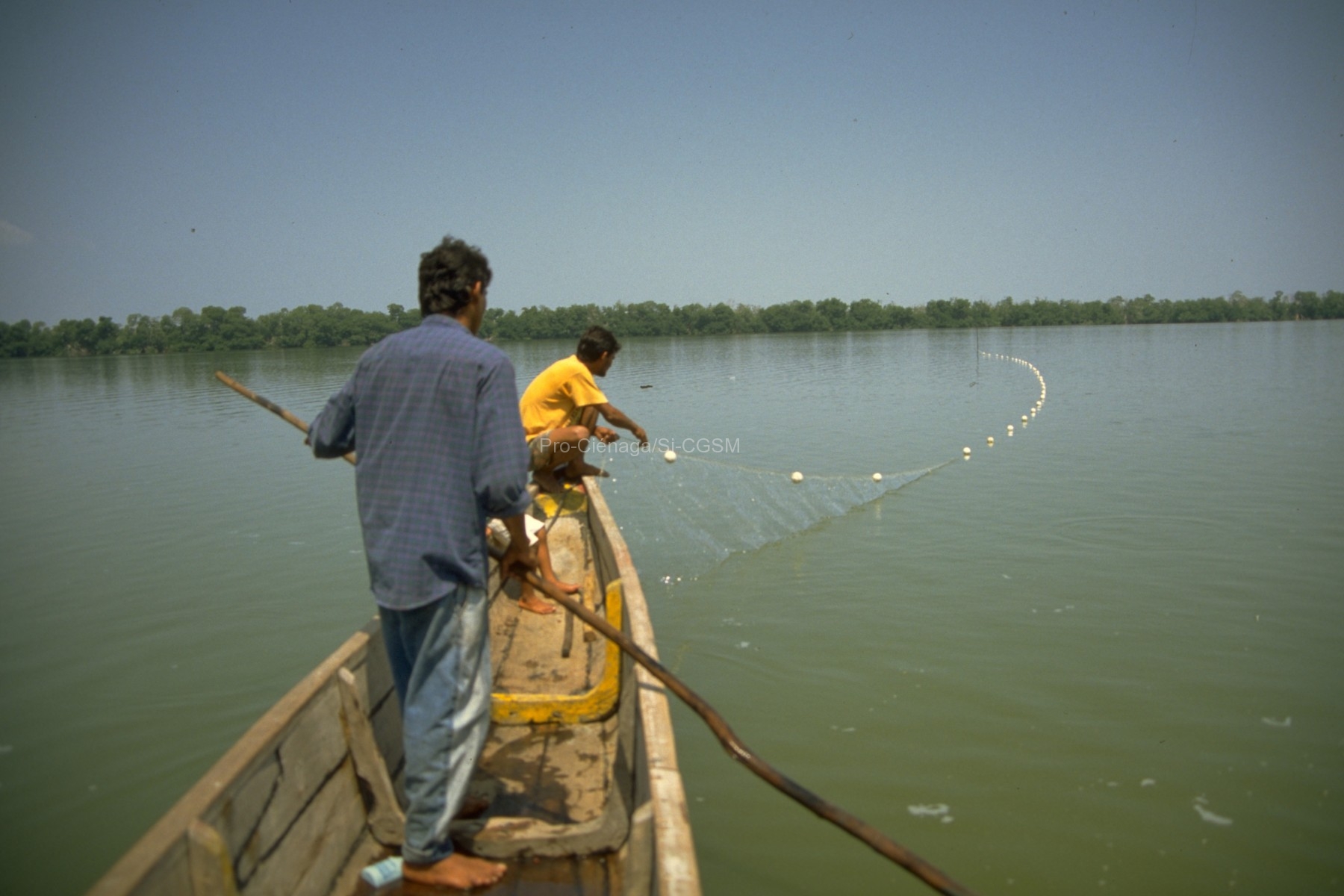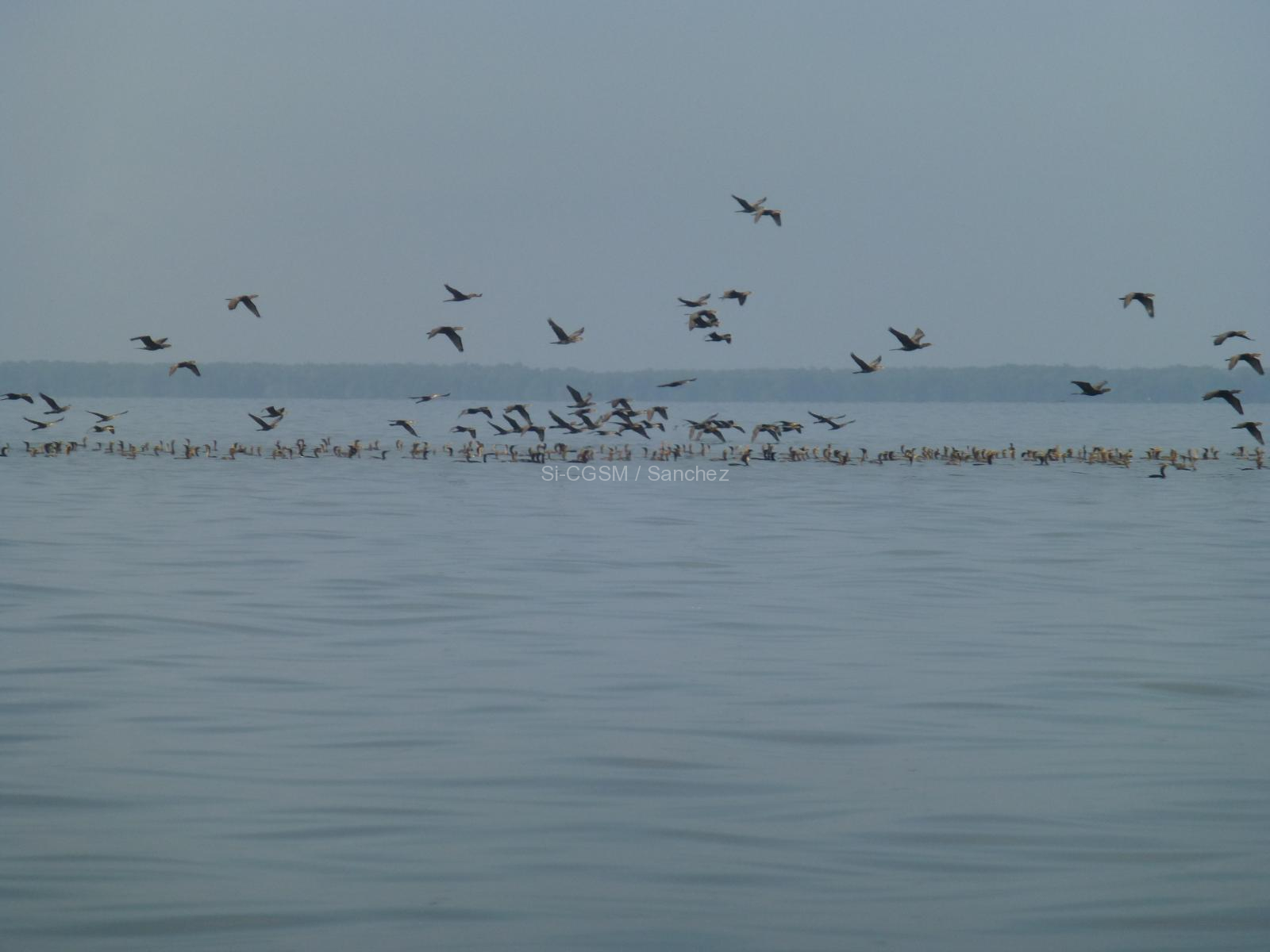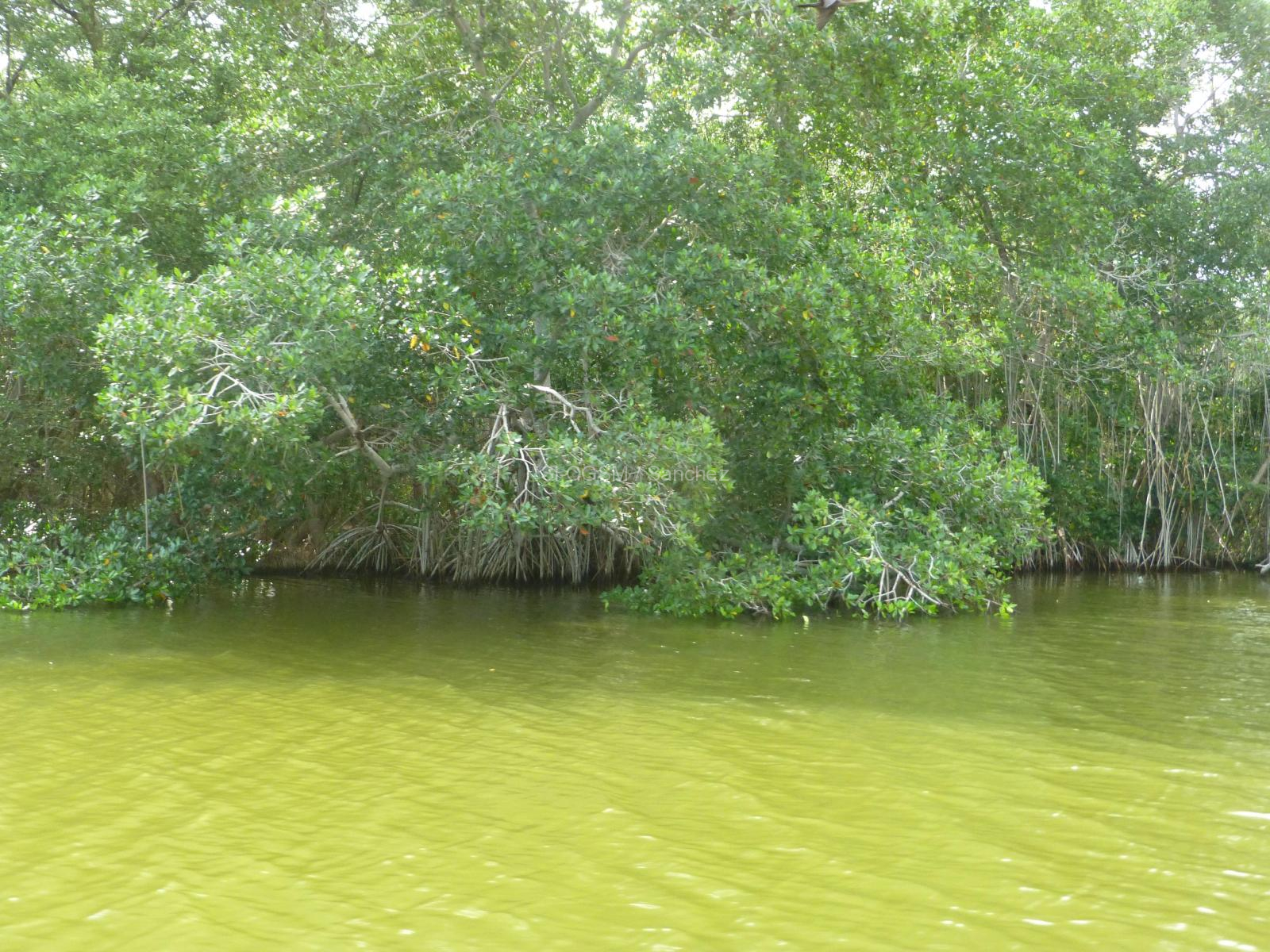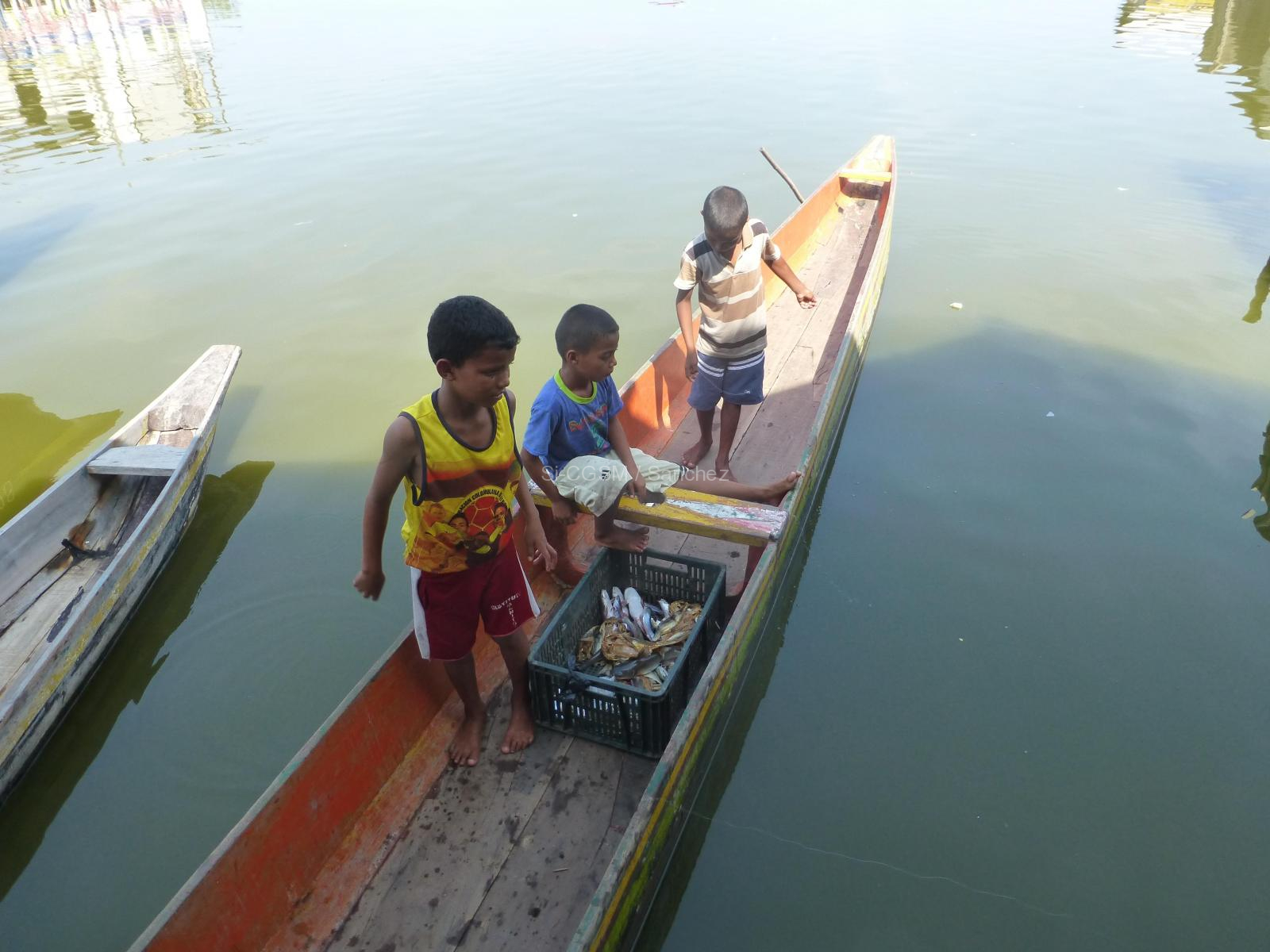
El presente trabajo es un estudio autoecológico del lebranche Mugil brasiliensis en diferentes medios acuáticos, además se relacionaron algunos aspectos bioestadísticos con los lebranches capturados en...
Seguir leyendo...Artículo de revista académica
Cloern, J. E., Foster, S. Q., & Kleckner, A. E. (2014). Phytoplankton Primary Production in the World’s Estuarine-Coastal. Biogeosciences, 11, 2477-2501.
https://docslib.org/doc/10254224/phytoplankton-primary-production-in-the-worlds-estuarine-coastal Estuaries are biogeochemical hot spots because they receive large inputs of nutrients and organic carbon from land and oceans to support high rates of metabolism...
Seguir leyendo...Thorson, T. B., Brooks, D. R., & Mayer, M. A. (1983). The evolution of freshwater adaptation in stingrays. Natn. Geogr. Soc. Res. Rep., 15, 663-694.
https://www.researchgate.net/publication/247871430_The_evolution_of_freshwater_adaptation_in_stingrays Elasmobranch fishes (sharks, skates, and rays) include species inhabiting the full spectrum of environmental salinity, and ranging from fully marine species, through those exhibiting all...
Seguir leyendo...Aldana-Domínguez, J., Montes, C., Martínez, M., Medina, N., Hahn, J., & Duque, M. (2020). Biodiversity and Ecosystem Services Knowledge in the Colombian Caribbean: Progress and Challenges. Tropical Conservation Science, 10(1).
https://doi.org/10.1177/1940082917714229 The Colombian Caribbean, one of the most biodiverse regions in the world, is facing great challenges in biodiversity conservation due to accelerated ecosystem transformations and...
Seguir leyendo...Mancera Pineda, J. E., Arteaga Sogamoso, E., & Salzwedel, H. (2025). Harmful phytoplankton in Ciénaga Grande de Santa Marta: The Largest Lagoon-Delta Ecosystem in the Colombian Caribbean. UNESCO Harmful Algae News 80: 18-20.
DCA https://doi.org/10.5281/zenodo.17220270 A thorough review of the extant studies was conducted to assess which phytoplankton species reported since 1996 in the Ciénaga Grande de Santa Marta...
Seguir leyendo...Hurtado-Valdivieso, R., Mancera-Pineda, J. E., Martin, A., Quintero, P., Ruíz, D., & Baggio, J. (2025). Informing Coastal Futures: Sea Level Rise and Ecosystem Service Disruption in Caribbean Biodiversity Hotspots. Current Climate Change Reports, 11(1), 8.
https://doi.org/10.1007/s40641-025-00205-2 DCA The paper aims to explore the effects Sea-Level Rise (SLR) will have on coastal Caribbean ecosystem services. To this end, it conducts a multimethod...
Seguir leyendo...Salzwedel, H., Mancera Pineda, J. E. & Altamar Molina, J. R. (2025). Gestión documental: base para el manejo de Ciénaga Grande de Santa Marta. Acta Biológica Colombiana, 30(2): 184-188.
https://revistas.unal.edu.co/index.php/actabiol/article/view/114953/96179 La Ciénaga Grande de Santa Marta (CGSM) es uno de los sistemas socioecológicos más estudiados de Colombia y, a la vez, uno de los más...
Seguir leyendo...Ruiz-Guevara, S. M., Quintero-Castañeda, C. Y., Hernández-Angulo, L. R., & Sierra-Carrillo, M. M. (2025). Environmental Psychology and Mangrove Reforestation in the Ciénaga Grande de Santa Marta, Colombia: An Approach to Ecosystem Restoration. World, 6(1), Article 1.
https://doi.org/10.3390/world6010024 Ecosystem restoration success heavily depends on community participation, yet the psychological factors influencing local commitment and sense of ownership in mangrove conservation remain understudied. The...
Seguir leyendo...Díazgranados, M. C., & Corwin, E. (2022). Case Study: Green-Gray solution to protect the Ciénaga Grande de Santa Marta (CGSM) in Colombia. Sustainable Infrastructure: Putting Principle Into Practice, 3 p.
https://www.greenpolicyplatform.org/case-studies/green-gray-solution-protect-cienaga-grande-de-santa-marta-cgsm-colombia?utm_source=chatgpt.com GUIDING PRINCIPLE 4: AVOINDING ENVIRONMENTAL IMPACTS AND INVESTING IN NATURE Adverse environmental impacts from infrastructure should be minimized, and natural capital enhanced to the greatest...
Seguir leyendo...Santos-Becerra, L. F., Mancera-Pineda, J. E., & López-Kleine, L. (2025). Calibrating and validating the Aerobic Mortality Risk Index (IRMA): An index for predicting mass mortality of fish due to anoxia. UNESCO Harmful Algae News, 78, 8-9.
https://doi.org/10.5281/zenodo.14883641 To develop an early warning tool for mass fish mortality due to eutrophication in tropical estuaries, we calibrated and validated the Aerobic Mortality Risk Index...
Seguir leyendo...